
Pottery: Where Clay Meets Patience
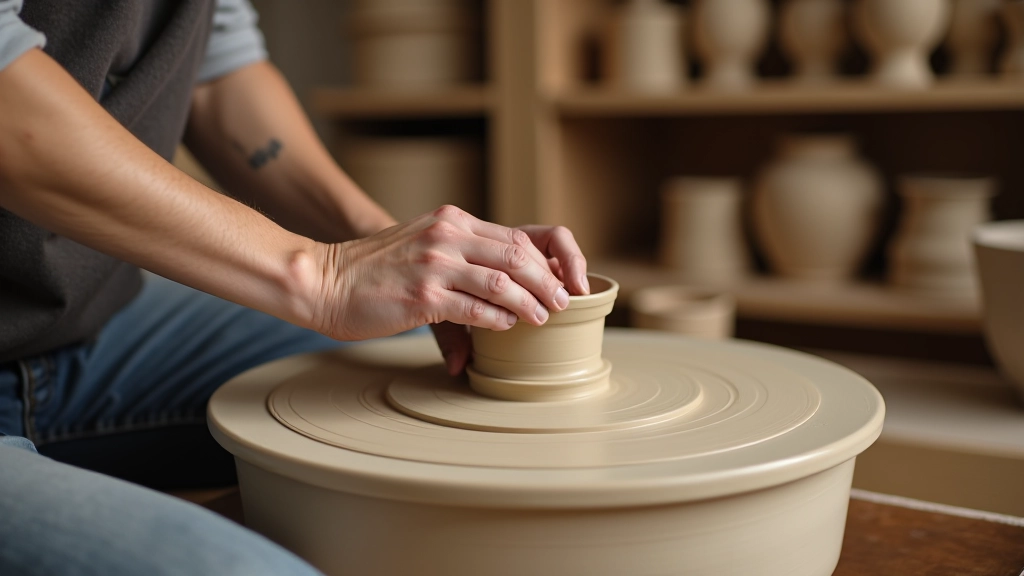
Pottery classes in Vilnius typically run two ways: hand-building and wheel-throwing. Hand-building's more forgiving for absolute beginners. You're pinching, coiling, and sculpting clay without worrying about balance or speed. It's tactile and immediate — within your first session, you'll have something you made with your own hands.
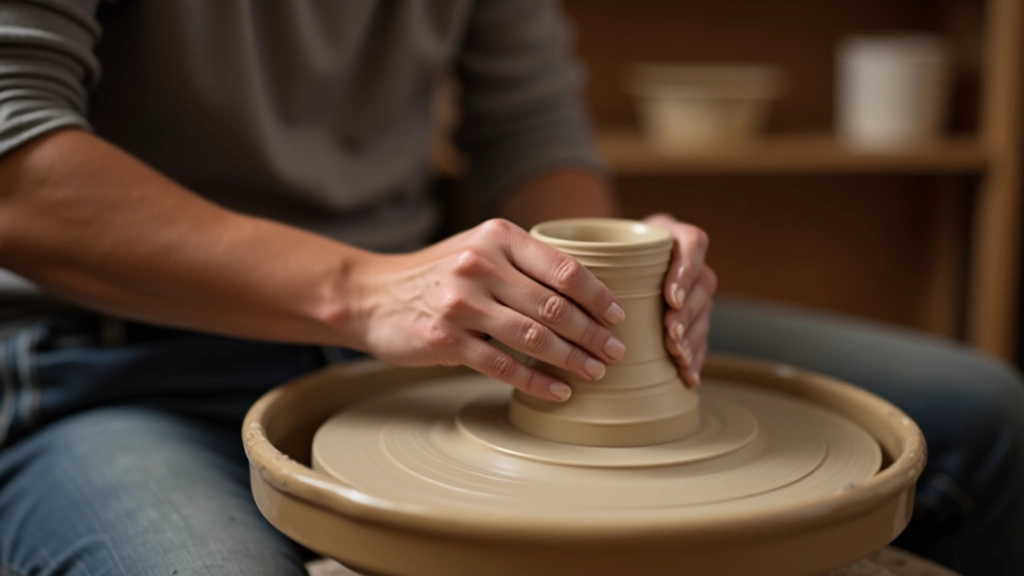
Wheel-throwing is different. The first time you center clay on a spinning wheel, it'll probably fly off. Most people need 3-4 sessions before they even get the clay centered properly. But here's what makes it worth it: there's a moment when the clay finally cooperates. You're applying gentle pressure and the wall rises smooth and even. That feeling's addictive.
Classes here typically run 90 minutes, twice a week for 8-10 weeks. That's enough time to learn basic techniques without burning out. Instructors like Rasa at Keramika Studio (operating since 2014) actually explain why you're doing each step — not just "do this" but "this prevents the wall from collapsing." That makes a real difference in how quickly skills stick.
Painting: More Than Just Color

Painting intimidates people more than it should. Most beginners think "I can't draw" and assume that means they can't paint. Not really the same skill. Drawing's about line. Painting's about values, color relationships, and mark-making. You can be terrible at drawing and make compelling paintings.
Studios in Vilnius offer acrylics, oils, and watercolor separately because they're genuinely different. Acrylics dry fast — good for beginners because you can paint over mistakes quickly. Watercolor's unforgiving but beautiful. Oils are slow and luxurious but need ventilation. Start with acrylics if you're new. No question.
Good instructors here focus on fundamentals first: understanding color theory, mixing, and how to hold a brush for different effects. Vilnius Contemporary Art Center runs structured beginner courses where you'll learn composition basics before worrying about realism. By week four, you're actually making decisions about your paintings instead of just following along.
Woodworking: Building Real Skills
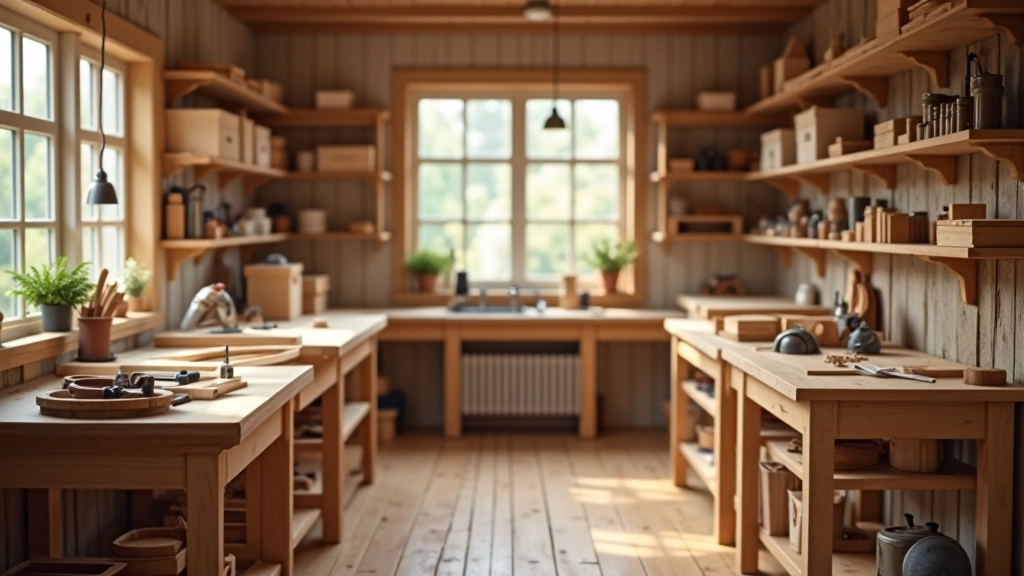
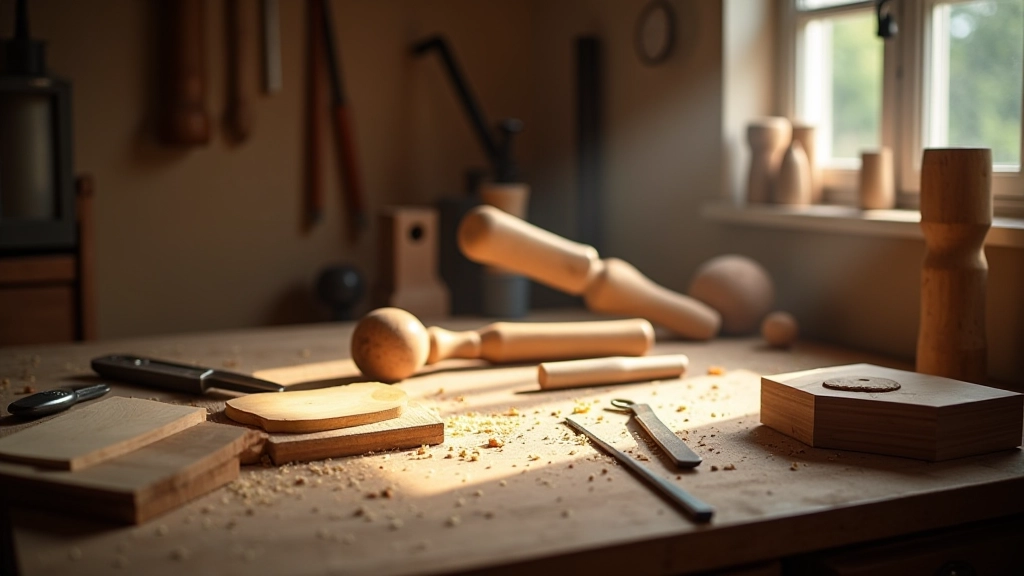
Woodworking sounds intimidating. All those tools, the precision, the potential to hurt yourself. Reality's less dramatic. Most beginner classes start you with hand tools — chisels, saws, planes — not power equipment. You're learning wood grain, joinery basics, and finishing. The physical feedback is immediate and satisfying.
Vilnius has several dedicated woodworking studios. They're typically small — 4-6 people per class — because workshop space is limited and safety matters. Classes usually span 10-12 weeks, 2 hours per session. You'll typically build something real: a cutting board, a small shelf, a simple box. Not decorative stuff. Functional things you'll actually use.
The best part? Woodworking immediately makes sense. You understand the constraints — wood moves with humidity, joints need to account for that, sharp tools are safer than dull ones. Within 8 weeks, most people can plan and execute a small project independently. That's genuine skill, not just a hobby.
What to Expect: Realistic Timeline
Weeks: Getting comfortable with basic techniques. First pieces are rough but yours.
Weeks: Skills start feeling natural. You're making intentional choices, not just copying.
Weeks: Noticeable improvement. You understand your medium's personality and limitations.
Weeks: You're actually developing style and preference. This is when it gets really interesting.
Finding the Right Studio for You
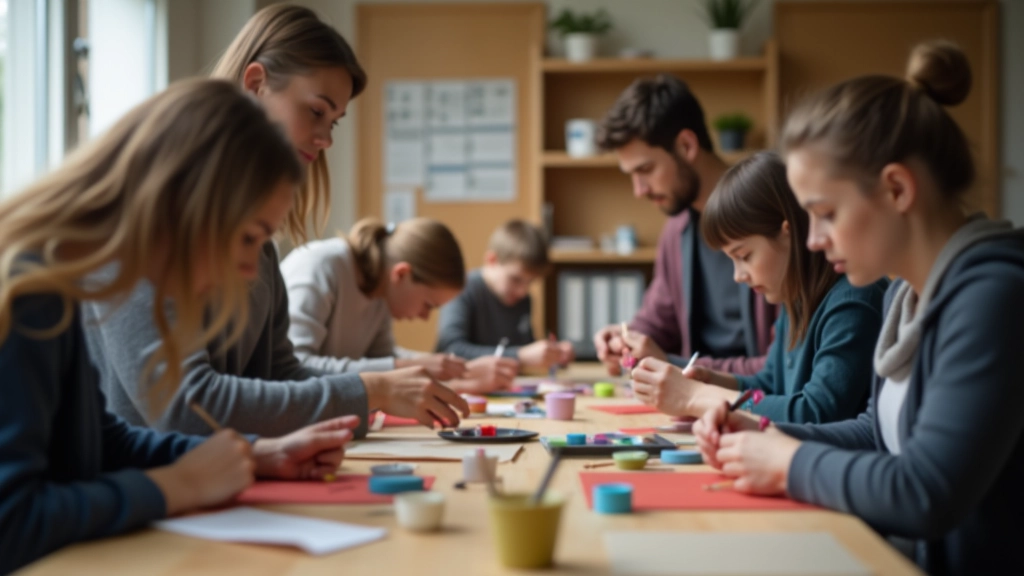
Vilnius has more craft studios than most people realize. The question isn't "where can I learn?" but "which style fits me?" Some studios are serious and structured. Others are relaxed and experimental. Both work — it depends on what you need.
Visit a few studios before committing. Most offer a trial session or let you watch a class. See if the instructor's style clicks. Do they explain the why or just demonstrate? Are they encouraging or critical? That matters more than the equipment.
Also practical: check location, schedule, and whether materials are included. Some studios charge extra for clay or paint. Others include everything. Class size matters too. Eight people learning pottery is different from three. Smaller feels more personal. Larger means more energy but less individual attention.
About This Guide
This article is informational and educational. Studio information, schedules, and instructor details change regularly. Always contact studios directly to confirm current offerings, pricing, and class availability before enrolling. We recommend visiting studios in person or calling ahead. Craft activities carry standard safety considerations — follow all instructor safety guidelines during classes.
Start Small, Stay Curious
Here's the honest truth about learning a craft: the first session will be awkward. Your hands won't cooperate the way you imagined. You'll compare your work to the instructor's and feel discouraged. This is completely normal and temporary.
By week three, something shifts. Your hands remember what they learned. You stop fighting the material and start working with it. By week eight, you're thinking about projects you want to make after the class ends. That's when you know you've got something real.
Vilnius has studios waiting for you. Pick one that speaks to you — pottery's meditative quality, painting's color exploration, or woodworking's structural satisfaction. Sign up for a beginner class. Show up consistently. Your future self will thank you.